Cute Rainbow Watercolor Background: A Designer’s Real-World Embroidery Review
First Impressions: Cheerful, Soft, and Versatile
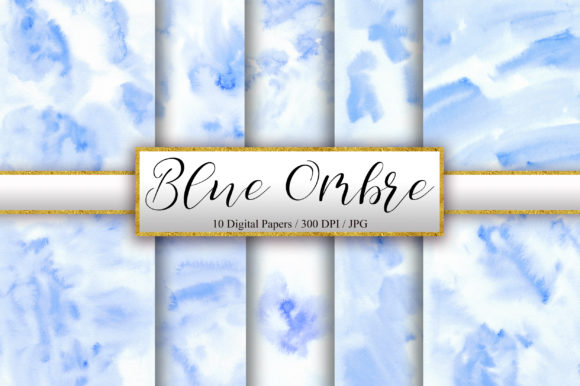
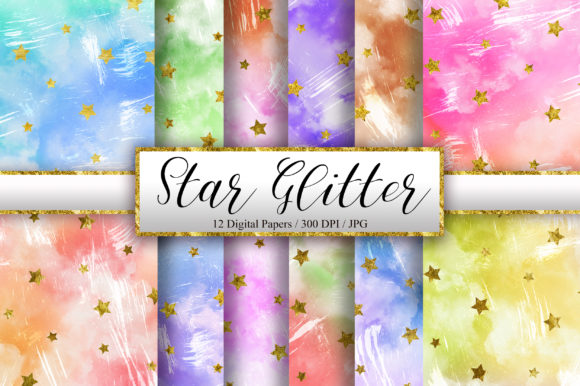
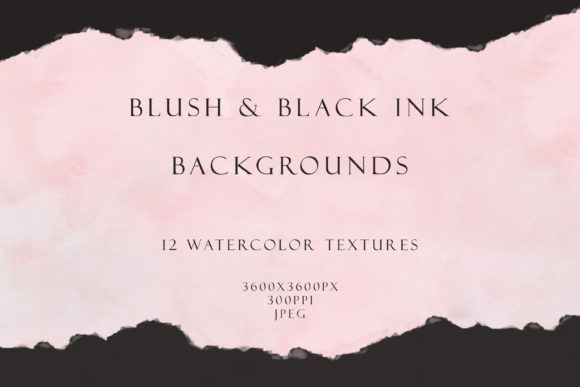
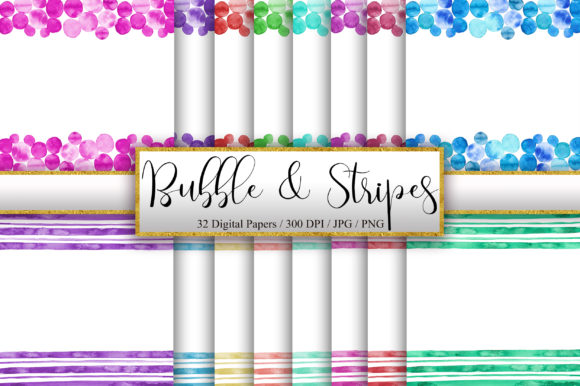
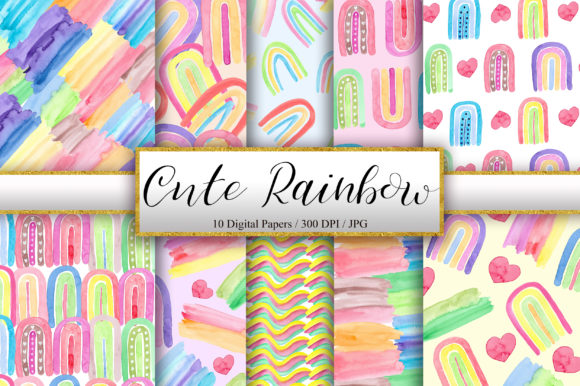
Opening the Cute Rainbow Watercolor Background file, I immediately noticed the gentle wash of color and soft edges that give it a dreamy, artistic quality. It's not a bold graphic or a sharp vector-style background—it's more like a whisper of color, perfect for designs that need a touch of whimsy without overwhelming the main subject.
The watercolor texture blends seamlessly into the rainbow hues, making it feel organic and hand-painted. The layout is balanced, with a subtle gradient that moves from warm to cool tones without harsh lines. This makes it ideal for baby items, nursery decor, or boutique apparel where softness and approachability are key.
Real-World Use: From Tote Bags to Baby Onesies
I tested the Cute Rainbow Watercolor Background on a few different embroidery projects to see how it translated from screen to stitch. Starting with a cotton tote bag, I paired it with a simple embroidered name in a modern sans-serif font. The result was charming—just the right amount of background without making the design busy.
Next, I tried it on a baby onesie. The softness of the background complemented the tiny size perfectly. It didn’t pull or pucker the fabric, even after washing, which is a big win when working with delicate baby clothes. The colors remained vibrant, and the background acted as a subtle canvas rather than a focal point.
On a sweatshirt mockup, the background gave a cozy, artsy feel. I layered a small embroidered unicorn on top, and the watercolor texture helped the two elements blend naturally. It’s a great option for Etsy sellers offering personalized hoodies or boutique-style kids’ apparel.
Where It Shines—and Where It Needs Care
This background performs best on medium-weight, stable fabrics like cotton, canvas, and denim. It holds up well on tote bags, tea towels, and pillow covers where the fabric is flat and easy to hoop. However, I noticed some distortion when trying it on stretchy knit fabric. The soft watercolor edges lost clarity due to the fabric's give, so it’s best to avoid using it on t-shirts unless you stabilize properly.
On dark fabrics, the background loses some of its vibrancy unless you stitch it with lighter thread or add a white underlay. I also wouldn’t recommend it for curved surfaces like caps or small hoop sizes—there’s too much open space and subtle detail that gets lost in tight spaces.
If you're planning to use this in commercial embroidery, test it on multiple fabric types and thread combinations first. Some of the lighter watercolor strokes may not stitch out clearly on textured or thick materials like fleece or felt.
Impact on Design Quality and Customer Appeal
From a design perspective, the Cute Rainbow Watercolor Background adds a level of sophistication without being too formal. It elevates simple embroidered text or small motifs, making the finished product feel more curated and intentional. This is especially important for Etsy sellers and small shop owners who want to stand out in a crowded handmade market.
Customers respond well to soft, approachable designs—especially in baby and children’s items. This background gives a handmade piece a boutique feel, which increases perceived value and encourages repeat purchases. It also works well in holiday embroidery, like personalized kitchen towels or gift tags, where charm and warmth are key selling points.
For digital product sellers, pairing this background with mockups of tote bags or apparel helps buyers visualize the final product, which can boost conversions. Just be sure to offer both light and dark fabric mockups to show how the background performs in different settings.
Designer Notes: Practical Tips for Best Results
- Test on scrap fabric before stitching on your final product, especially if you're using it on stretchy or textured materials.
- Check thread color contrast—the watercolor effect may not show up well if your thread is too similar in tone to the fabric.
- Review stitch density to ensure the background texture is consistent and not too sparse or heavy.
- Confirm hoop size fits your machine and the project you’re working on—this design works best in medium to large hoops.
- Inspect small details like the edges and gradient transitions to make sure they stitch cleanly.
- Try a black and white mockup to see how the background looks in monochrome, which can help with branding or minimalist designs.
- Use the right stabilizer—especially for stretchy or thin fabrics, to prevent puckering and distortion.
- Verify licensing if you plan to sell finished items or include this in digital product bundles—always better to be safe than sorry.
Final Thoughts: A Soft Touch for Handmade and Commercial Embroidery
The Cute Rainbow Watercolor Background is a versatile addition to any embroidery designer’s toolkit. It’s not a flashy statement piece, but rather a subtle, elegant design element that enhances the overall look of a project without stealing the spotlight.
Whether you're creating personalized baby gifts, boutique-style apparel, or custom embroidered patches, this background adds a touch of warmth and artistry. Just be mindful of fabric type, hoop size, and thread choices to get the best results.
For small business owners and Etsy sellers, this is the kind of background that can help you create cohesive, high-quality listings that customers love. It’s not just a background—it’s a design tool that brings your embroidered items to life.