Watercolor Peach Rose Flower Pattern for Creative Product Sellers
When I first downloaded the Watercolor Peach Rose Flower Pattern, I was immediately drawn to its soft, romantic aesthetic. As someone who regularly creates digital products for Etsy and print-on-demand platforms, I always look for assets that are versatile, visually cohesive, and adaptable across multiple product types. This pattern delivers a delicate balance of charm and professionalism, making it a strong contender for sellers aiming to elevate their shop’s visual identity.
First Impressions: A Feminine, Elegant Design with Broad Appeal
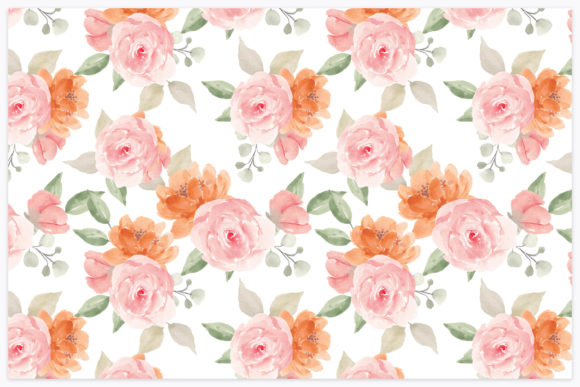
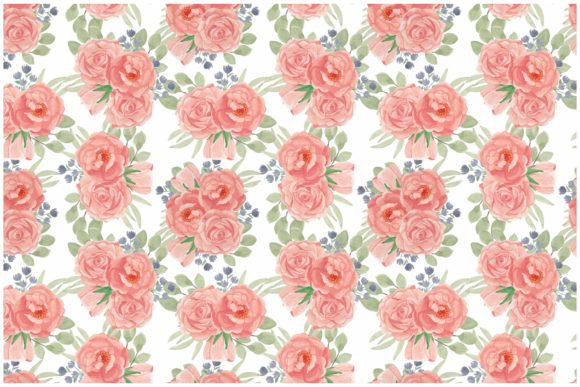
The Watercolor Peach Rose Flower Pattern has a distinctly soft and elegant vibe. It feels handmade yet polished, with just the right amount of texture and color variation to feel authentic. The peach tones are warm and inviting, blending beautifully with the watercolor brushstrokes. This design naturally appeals to audiences who appreciate vintage, romantic, or artisanal aesthetics—ideal for bridal, baby, or botanical-themed shops.
If you're targeting a feminine, elegant, or seasonal niche—think wedding planners, boutique owners, or plannersellers—this pattern can help you connect with your ideal customer. It's not overly bold or trendy, which means it should remain relevant across seasons and product launches.
How to Use Watercolor Peach Rose Flower Pattern in Real Product Scenarios
One of the best aspects of this graphic design asset is its flexibility. I tested it across several product mockups and found it works especially well for:
- Printable wall art – The pattern looks stunning as a background for minimalist quote prints or botanical illustrations.
- Greeting cards & invitations – Perfect for wedding invites, baby showers, or thank-you cards that require a touch of elegance.
- Tote bag prints – The soft color palette pairs well with natural fabrics like linen or cotton, giving a boutique-style finish.
- Canva templates – Whether you're designing digital planners, social media kits, or blog graphics, this pattern adds a decorative yet professional edge.
- Cricut projects – The SVG format is clean and scalable, ideal for creating custom stickers or planner inserts with precise cut lines.
It also works beautifully in sublimation designs for mugs and tumblers, though I recommend using a white or light-colored base to let the peach tones stand out. For seasonal bundles, especially around spring or Mother’s Day, this pattern can anchor a cohesive collection that feels both fresh and timeless.
Boosting Product Presentation with Watercolor Peach Rose Flower Pattern
In the world of digital product selling, presentation is everything. A well-designed thumbnail can make the difference between a click and a scroll. I found that this pattern helps elevate product mockups and listing images by adding visual warmth and texture without overwhelming the design.
For Etsy sellers and print-on-demand creators, this means better thumbnail appeal and stronger brand consistency. When used across multiple product types—like digital paper packs, sticker sheets, and Canva templates—it creates a unified look that customers instantly recognize. This consistency builds customer trust and increases perceived value, which can lead to higher conversion rates.
Where Watercolor Peach Rose Flower Pattern Works Best
From my testing, this pattern shines brightest in the following use cases:
- Themed digital bundles – Especially for spring, weddings, or floral-themed kits.
- Decorative layouts – Ideal for planners, scrapbooks, and Canva-based social media kits.
- Product mockups – Looks great in digital previews for wall art, stickers, and packaging design.
- Social media promos – Use it subtly in Instagram story templates or Pinterest pins to maintain a cohesive visual brand.
If you're launching a new collection or updating your shop’s visual branding, this pattern can be a foundational design asset that ties your creative marketplace listings together.
Where to Use It Carefully
Despite its many strengths, there are a few scenarios where the Watercolor Peach Rose Flower Pattern needs careful handling:
- Small sticker details – The delicate brushstrokes may not show up well on tiny Cricut or Silhouette cuts.
- Text-heavy templates – It can compete with copy if not layered properly in Canva or Photoshop.
- Dark backgrounds – The peach tones lose contrast on black or deep navy, making it less visible.
- Low-resolution print products – Always verify file resolution before using it for physical prints.
If you're selling SVG or PNG clipart bundles, I recommend including usage suggestions to guide customers toward optimal applications.
Practical Seller Notes: Test Before You Launch
Before publishing any product using this pattern, I suggest running through the following checklist:
- Test on real mockups – See how it looks on t-shirts, mugs, and tote bags to confirm color vibrancy and layout balance.
- Preview as a thumbnail – Ensure it remains visually engaging at small sizes.
- Check on white and dark backgrounds – Confirm visibility and contrast in both settings.
- Test print colors – Some screen colors may shift slightly when printed, so always do a soft proof.
- Verify PNG transparency – If you're using the PNG format for stickers or overlays, make sure the transparency is clean.
- Inspect SVG cut quality – For Cricut or Silhouette users, ensure the paths are smooth and well-defined.
- Confirm commercial licensing – Double-check that the pattern allows resale in finished products, especially if you're listing on Etsy or Creative Fabrica.
Also, consider pairing this pattern with fonts that complement its softness—think script fonts for headings and sans-serif fonts for clean, modern body text. For a vintage touch, a handwritten font can enhance the overall handmade feel.
Final Thoughts: A Versatile Pattern Worth Adding to Your Toolkit
Overall, the Watercolor Peach Rose Flower Pattern is a high-quality, flexible asset that can support a wide range of digital and print products. Whether you're a Canva template seller, an Etsy shop owner, or a print-on-demand creator, this pattern can help you build a more cohesive and visually appealing product lineup.
Just remember to test it thoroughly before launching and guide your customers with clear usage examples. Done right, this pattern can become a staple in your creative toolkit—and a key part of your small business branding strategy.